Biography
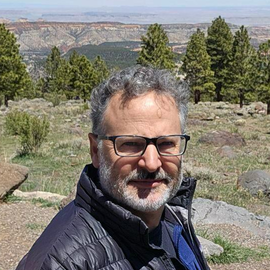
Daniel Contreras is an associate professor of Anthropology at the University of Florida. His research interests focus on past human-environment interactions over long timescales.
Interests
- Archaeology of the Central Andes
- Geospatial archaeology
- Landscape archaeology
- Digital archaeology
Education
PhD in Anthropological Sciences, 2007
Stanford University
MA in Latin American Studies, 1998
Stanford University
BA in Religion, Certificate in Latin American Studies, 1996
Amherst College
Projects
*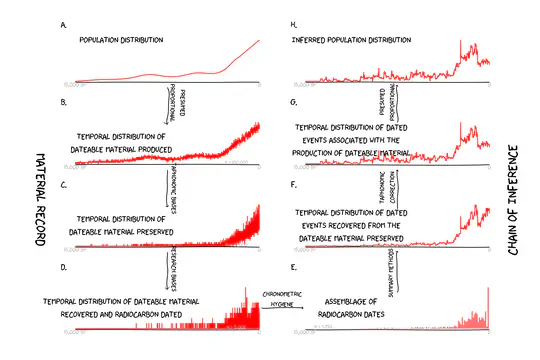
Integrating archaeological and geomorphic data to improve reconstruction of past population dynamics by accounting for landscape taphonomy.
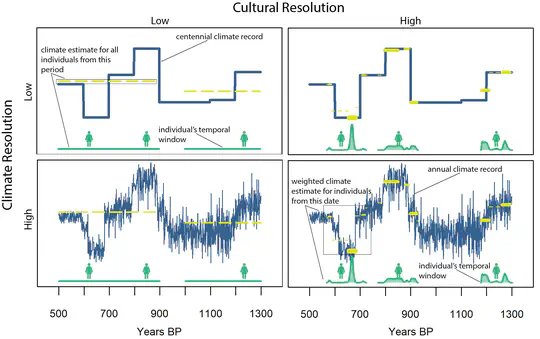
Downscaling paleoclimate data to explore Holocene human-environment interactions in the Central Andes.
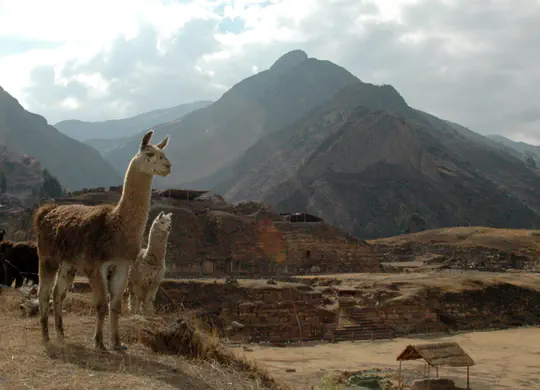
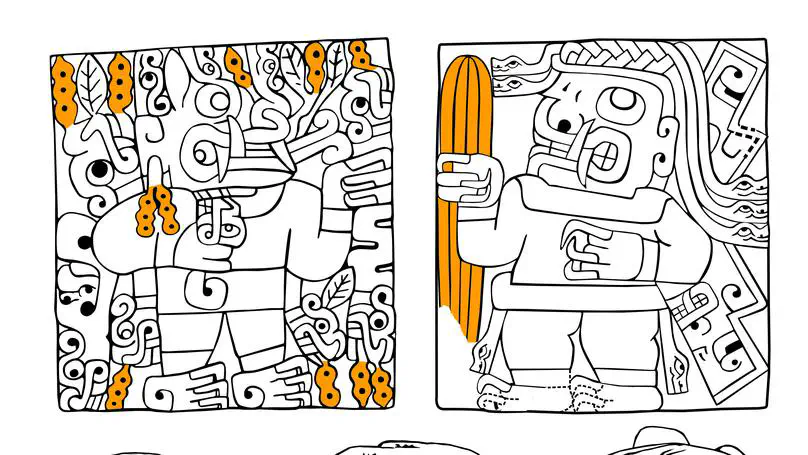
Exploring communal action problems at the 1st millennium BCE monumental center - and World Heritage Site - of Chavín de Huántar in highland Ancash, Peru.
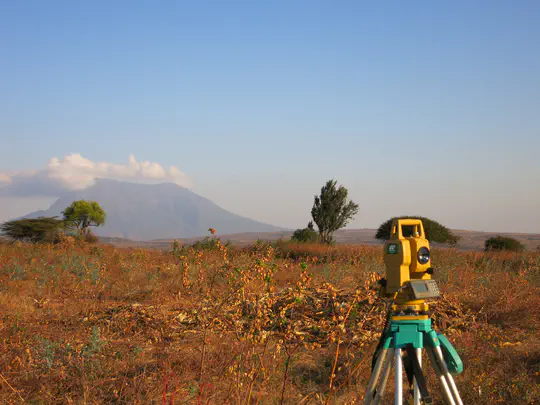
Research on the Archaeology of Pastoralism in Tanzania.
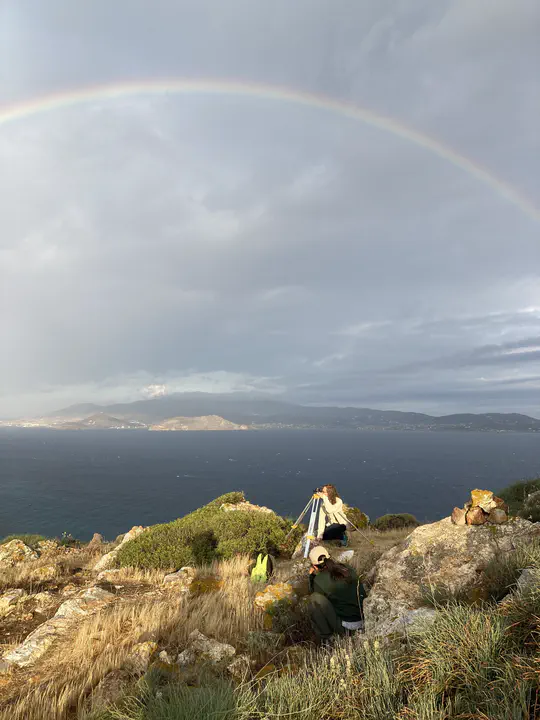
The Stelida Naxos Archaeological Project
Featured Publications
Recent Publications
Quickly discover relevant content by filtering publications.
(2025).
Middle Paleolithic Behavioral Insights from the Stelida Chert Source, Naxos (Greece).
Journal of Eastern Mediterranean Archaeology and Heritage Studies.
(2024).
Chronological and Post-Depositional Insights from Single-Grain IRSL Dating of a Palaeolithic Sequence at Stelida, Naxos (Greece).
Journal of Archaeological Science: Reports.
(2024).
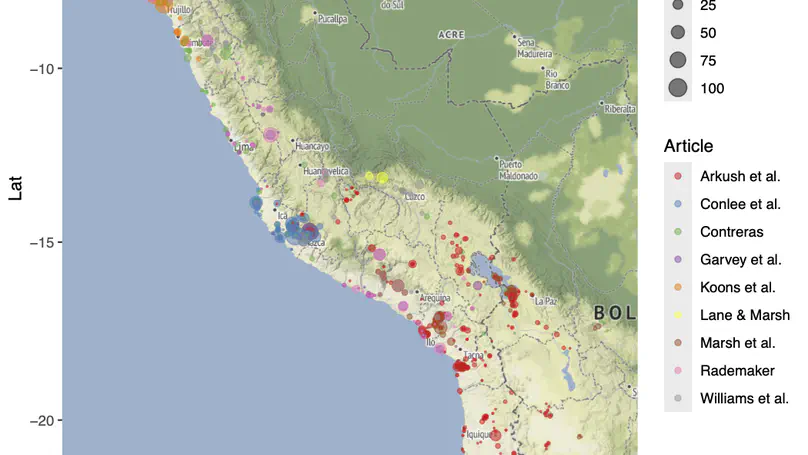
Reconsidering Chronologies and Cultural Change on the South Coast of Peru: A Compilation and Analysis of Radiocarbon Dates from Nasca, Ica, and Paracas.
Quaternary International.
(2023).
Cappadocian Obsidian Exchange Networks in the Pre-Pottery Neolithic A: A Southern Levantine Perspective from El-Hemmeh (Jordan).
Journal of Archaeological Science: Reports.
(2023).
Google Earth Engine for Archaeologists: An Updated Look at the Progress and Promise of Remotely Sensed Big Data.
Journal of Archaeological Science: Reports.
Contact
- daniel.contreras@ufl.edu
- +1 352 294 6880
- B346 Turlington Hall, Gainesville, FL 32605
- Looking for B346? Wander the basement of Turlington Hall and hope for the best.
- Wednesday 13:00 to 15:00 and by appt
- Book an appointment